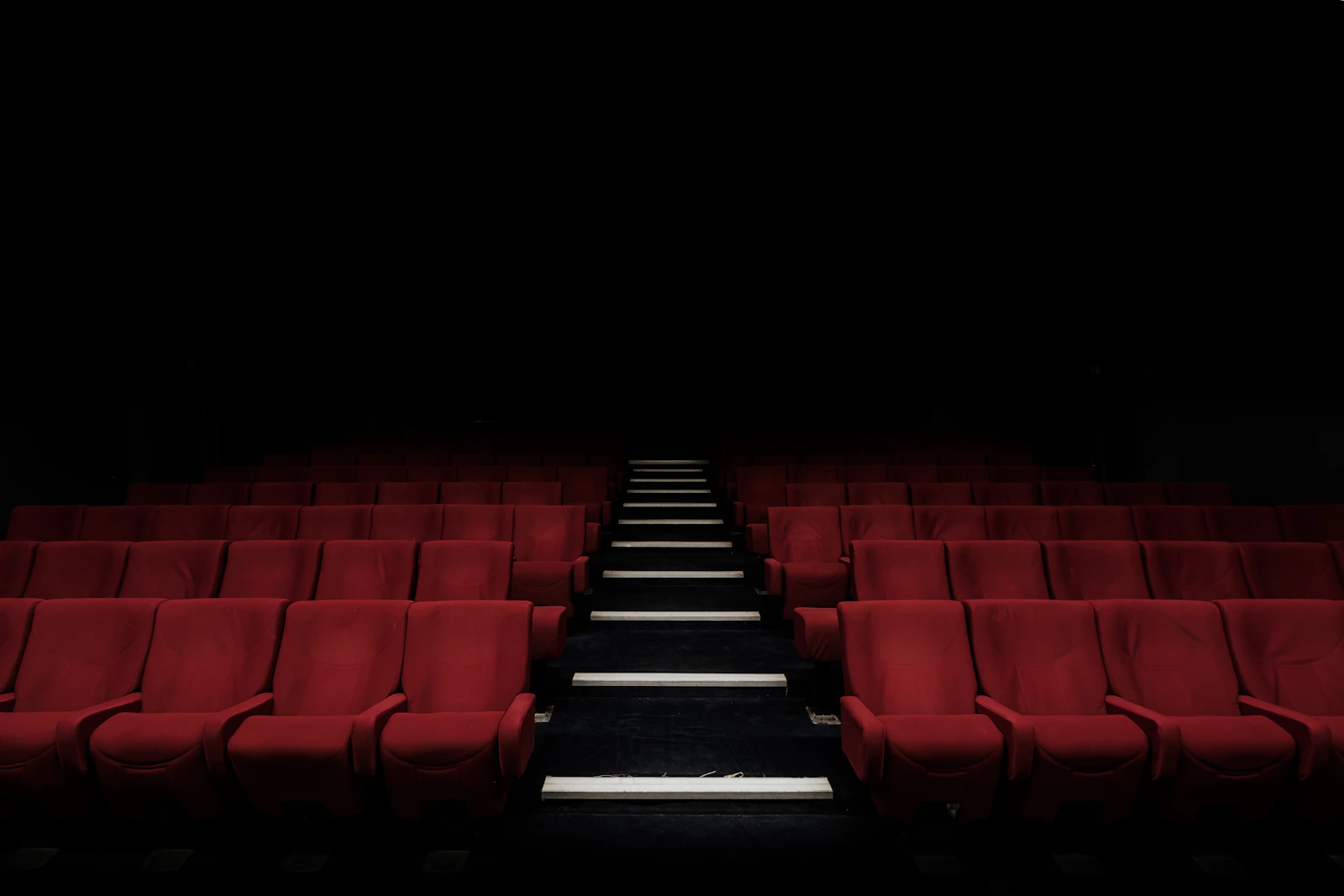
The first time I walked into a theater to see an A24 film, I didn't know what A24 was. The movie was Spring Breakers, 2013, at the IFC Center in New York, and the company was a year old and had no particular reputation yet. I remember the theater being about half full. I remember the audience being the specific kind of quiet that comes from a room of people who have decided to take something seriously before they know what it is. I remember walking out two hours later uncertain whether I had watched a masterpiece or a prank, and the feeling of that uncertainty being part of the pleasure. That feeling — the slight vertigo of a film that doesn't tell you how to feel about it — became the feeling I associated with A24. Eventually, I understood that associating a feeling with a distributor was exactly what A24 wanted me to do.
A24 is not an indie studio. This is the most important and least-discussed fact about the company. It was founded in 2012 by three former executives from Miramax, Focus Features, and Guggenheim Partners. It has received funding from institutional investors. It has a multi-year output deal with Apple TV+ that is worth hundreds of millions of dollars. It releases approximately fifteen to twenty films per year, which is a scale of operation that independent studios, in the classical sense, do not reach. What A24 is — what it has been, with remarkable consistency, since its founding — is a brand. A brand that has successfully convinced a specific audience that watching its films is an act of cultural discernment rather than a consumer choice.
This is not a criticism. It is a description of something genuinely impressive. The question is what we understand and what we miss when the brand's identity obscures the business.
The Films That Built the Brand
The A24 catalog through its first decade is legitimately exceptional. Moonlight. The Witch. Hereditary. Midsommar. Minari. Everything Everywhere All at Once. These are not films that share a genre or a budget range or a visual style. What they share is an unwillingness to resolve into something comfortable — a tendency to sit with difficulty rather than explain it away, to trust the audience's capacity for ambiguity, to treat the viewer as a collaborator in the meaning-making rather than a recipient of it.
The films are this way because the filmmakers making them are this way. Robert Eggers, Ari Aster, Barry Jenkins, the Daniels — these are directors with specific, developed aesthetic worldviews, and A24's particular contribution was a distribution model that could market those worldviews to audiences who had learned to seek them out. The company did not make the films distinctive. It made the distinctiveness legible at scale.
"A24 didn't make auteur cinema accessible. It made it feel like a membership. That's different — and the difference is worth sitting with."
The marketing is where the brand-building happens. A24's campaigns are famous in the industry for their specificity: targeted to the right audiences through the right channels, with a visual language and a tone of voice that communicate "this is not for everyone" while reaching millions of people. The Midsommar campaign was a master class in it — selling a film about cult violence and grief as something beautiful, intimate, and unsettling in ways that couldn't be described without being experienced. The audience showed up prepared to be disturbed, which is not how most studio horror marketing works.
The Apple Deal and What It Changed
In 2022, A24 signed a deal with Apple TV+ to produce a slate of films exclusively for the streaming service. The terms were not fully disclosed, but reporting at the time put the value in the range of hundreds of millions of dollars over multiple years. For a company that had built its identity on theatrical distribution — on the specific experience of seeing a film in a room with other people, with no option to pause — this was a meaningful shift.
The deal is not evidence of hypocrisy. It is evidence of a business operating in a changed landscape and making rational decisions. Streaming money is real, and A24 needs capital to compete for the filmmakers it wants. The directors who were making $3 million films for A24 in 2016 have offers from Netflix and Apple and Amazon now. Keeping them in the building requires resources that theatrical distribution alone cannot provide.
What the Apple deal does change is the nature of the cultural experience A24 was selling. The vertigo I felt walking out of that Spring Breakers screening was partly the film. It was also the room. It was also the half-full theater of people who had chosen to be there on a Tuesday night, who had sought out the film rather than scrolled into it. A film on Apple TV+, watched at home, in bed, with the option to pause and check your phone, is a different experience regardless of what's on the screen. A24 built an identity around the specific experience of theatrical viewing. The Apple deal monetizes a version of that identity that does not include the thing that made it real.
What the Brand Costs the Films
There is a growing body of A24 releases that feel like A24 films rather than being A24 films — movies that have learned the house aesthetic without developing the house sensibility. The slow burn pacing. The naturalistic performances. The score that suggests dread without confirming it. The final scene that declines to explain itself. These are techniques that, in the hands of Eggers or Jenkins, are expressions of a specific vision. In the hands of filmmakers who have absorbed the aesthetic as an aspiration, they are a genre.
This is what happens when a brand succeeds so completely that it creates its own gravitational pull. A24 the brand is now large enough to attract filmmakers who want to make A24 films, rather than filmmakers who happen to make films that A24 distributes. The distinction is not always visible from the outside. The films look the same. The marketing looks the same. The experience of watching them in a theater that smells like popcorn and expectation is similar enough.
The difference is in what you carry out. The early A24 films made you uncertain. Uncertain about what you saw, what it meant, whether you were the audience it was intended for. The brand films make you feel like you have seen a film of the kind you came to see. Satisfied and located rather than unsettled and searching.
Both of these things can happen in the same week at the same theaters under the same logo. That's what scale costs. A24 figured out how to sell the feeling. It is still, on its best days, making the thing that created the feeling in the first place. On its other days, it is selling the feeling back to you without the thing. Pay attention to which days you're having.